Introduction
Snake bites are a severe medical emergency situation that can happen in numerous environments, especially in areas where snakes are prevalent. In Australia alone, there are many types of venomous serpents such as the Tiger Snake, Eastern Brown Serpent, and King Brown Serpent. Recognizing how to successfully handle snake bites is vital for anyone who spends time outdoors or lives in rural areas. This post will explore thorough first aid monitoring strategies for serpent bites and describe best practices for reacting to these incidents.
First Aid Monitoring of Snake Bites: Ideal Practices for every single Situation
When dealing with a snake bite, the first feedback can substantially affect the target's end result. Immediate activity is essential since swift clinical intervention commonly figures out the level of injury or survival rate. Right here are important emergency treatment concepts to bear in mind:
Stay Calm: The initial step in managing a snake bite is to continue to be tranquil. Panic can elevate heart rates and raise the spread of venom throughout the body. Call for Help: Dial emergency solutions quickly. Give them with your area and any kind of information concerning the serpent if possible. Keep the Target Still: Motivate the victim to remain as still as feasible. Movement can enhance blood circulation, accelerating venom absorption into the bloodstream. Positioning: If feasible, position the damaged limb at or listed below heart degree. This positioning aids slow down venom spread. Remove Tight Clothing: Loosen up any type of clothes or precious jewelry around the bite website; swelling might occur swiftly after a serpent bite. Do Not Apply Ice/Cold Packs: As opposed to popular belief, using ice can get worse cells damage and ought to be avoided.Understanding Serpent Types and Their Habitats
Tiger Serpents and Their Habitat
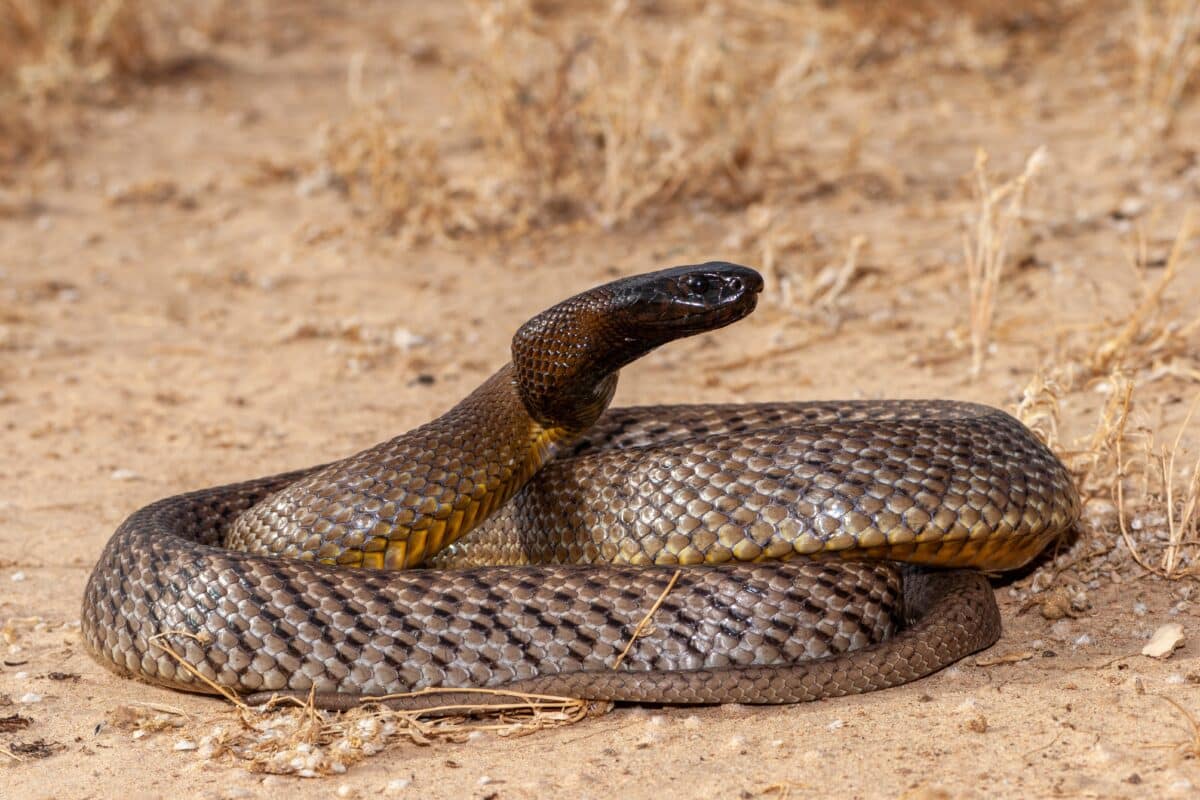
Tiger serpents (Notechis scutatus) are among Australia's most notorious venomous snakes because of their hostile nature and potent venom.
- Habitat: They usually inhabit seaside areas, marshes, and locations with dense vegetation like marshes and swamps. Risks: Understanding of local tiger serpent environments can reduce the danger of running into one unexpectedly.
Eastern Brown Snakes: A Significant Threat
The Eastern Brown Serpent (Pseudonaja textilis) is one more very poisonous varieties discovered throughout eastern Australia.
- Habitat: This serpent thrives in urban locations, agricultural lands, and grasslands. Behavior: Known for its quick strikes when endangered, recognizing its habits may aid mitigate encounters.
Recognizing Symptoms of Serpent Bites
Identifying signs and symptoms beforehand can enhance possibilities of effective treatment:
Local Symptoms:- Pain and swelling around the bite site Discoloration or bruising
- Nausea or vomiting Difficulty breathing Signs of shock (e.g., pale skin, quick heart beat)
First Help Protocols for Details Serpent Bites
First Aid for Tiger Serpent Bite
In instance of a tiger snake bite:

First Help for Eastern Brown Serpent Bite
For an eastern brown serpent bite:

Creating Your Serpent Bite First Aid Kit
A well-prepared first aid set can make all the distinction during emergency situations:
|Item|Function|| -------------------------------|---------------------------------------------------|| Compression plasters|To incapacitate arm or legs|| Sterilized gauze|To cover wounds|| Antihistamines|For allergic Keelback snake bite reactions|| Emergency contact numbers|Quick accessibility throughout situations|| User's manual|Step-by-step advice on dealing with emergency situations|
What Must You Never Do When Dealing With a Serpent Bite?
Here's a checklist of common challenges when dealing with snake attacks:
Do not apply tourniquets; they can create more injury than good. Avoid cutting into or trying to draw out venom from the wound. Never give alcohol or energizers to sufferers as it could exacerbate their condition.FAQs Regarding First Aid Administration of Serpent Bites
1. What ought to I do if I see a snake?
Stay calm and pull back slowly without unexpected movements.
2. Exactly how do I identify if a snake is venomous?
Research local species' qualities; numerous have distinct color patterns or markings.
3. Can I utilize ice on a snake bite?
No, using ice can enhance cells damage.
4. The length of time do I have after being bitten prior to looking for medical attention?
Seek medical attention promptly-- time is crucial with poisonous bites!
5. Is it risk-free to drive myself to the medical facility after a bite?
No! It's dangerous as signs and symptoms may aggravate en route; wait for professional help.
6. Are all serpents in Australia dangerous?
No! While Australia has lots of hazardous serpents, there are also non-venomous western brown snake types that position no threat.
Conclusion
The emergency treatment management of serpent attacks needs prompt action combined with understanding about local varieties' habits and environments like those of tiger serpents and eastern brownish serpents in Australia. By complying with ideal methods outlined above-- such as continuing to be calm, calling emergency services without delay, and recognizing what not to do-- you considerably improve survival possibilities after such accidents occur.
Equipping on your own with understanding about different types of serpents in your area and preparing an ideal emergency treatment package will certainly guarantee you prepare should an encounter arise-- making you far better prepared to manage this potentially deadly situation effectively!